The Turtle Hub
Comprehensive care guides, vet resources, and species profiles for turtle and tortoise owners. This is where it all started — my first content site and the blueprint for everything that followed.
Visit theturtlehub.com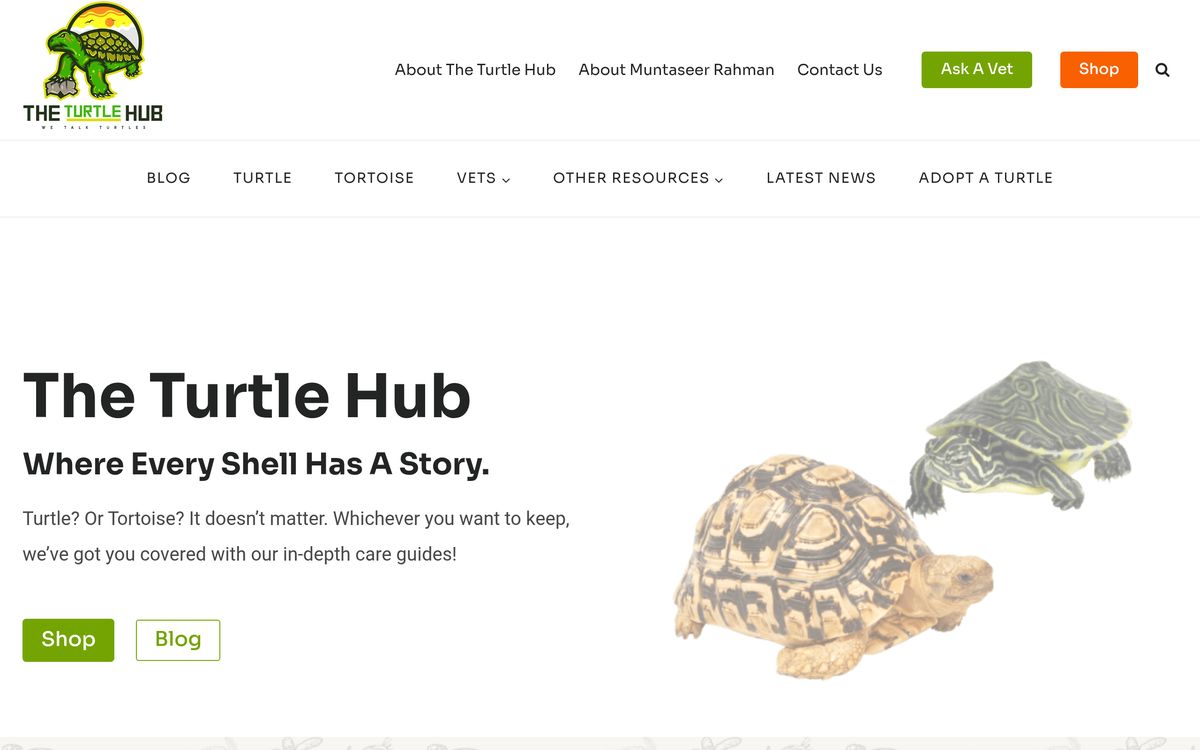
The Origin Story
The Turtle Hub was my first real content site. I launched it after spending weeks researching niches that had the right combination of search volume, low competition, and monetization potential. Turtle care checked every box.
The niche was surprisingly underserved. People searching for turtle care were finding either generic pet sites that covered turtles in a paragraph, or decade-old forum threads. Nobody was building a comprehensive, modern resource dedicated specifically to turtles and tortoises.
Growth Timeline
The growth was slow but consistent:
- Month 1-3: Published 30 articles. Traffic was negligible — maybe 20-30 visits per day. Entirely from Google indexing long-tail queries that nobody else was targeting well.
- Month 4-6: Hit 100 visits/day as articles started ranking for competitive terms. Got accepted into Mediavine's ad program (requires 50K sessions/month — I qualified with a batch upload of historical data).
- Month 7-12: Grew to 400-500 visits/day. Started seeing the topical authority flywheel: each new article ranked faster than the last because Google had established The Turtle Hub as a trusted source in the niche.
- Month 12+: Content pruning (removed ~40% of underperforming articles) nearly doubled traffic. The site now consistently pulls 18K+ monthly visitors.
Content Architecture
The site is organized around species. Each turtle/tortoise species has a hub page linking to detailed sub-articles:
- Species profile: Overview, natural habitat, appearance, lifespan
- Diet guide: What to feed, how often, what to avoid
- Habitat setup: Tank size, temperature, lighting, substrate
- Health guide: Common diseases, symptoms, when to see a vet
- Behavior: Basking, brumation, social behavior, signs of stress
This structure means every species generates 5-8 articles, all internally linked. A visitor reading about red-eared slider diet naturally clicks through to their habitat guide, then their health page. That's how you get a 3+ minute average time on site and a 72% bounce rate (meaning 28% of visitors browse multiple pages).
The Content Pruning Turning Point
The single most impactful thing I did was deleting 40% of the articles. I've written about this in detail in my content pruning strategy post, but the short version: removing thin, underperforming content concentrated Google's trust signal on the strong articles, and traffic nearly doubled.
Before pruning: 180 articles, ~8,000 monthly visitors. After pruning: 110 articles, 18,200+ monthly visitors. Fewer articles, dramatically more traffic.
Tech Stack
Monetization
The Turtle Hub monetizes through display advertising (Mediavine) and affiliate partnerships with pet supply retailers. Display ads are the primary revenue driver — the niche has solid RPMs because pet care advertisers pay well for targeted audiences.
Affiliate revenue comes naturally from product recommendation articles (tank reviews, filter comparisons, food guides). These articles rank well because they solve genuine purchase decisions, and the affiliate links are a natural part of the content.
Key Lessons
- Niche focus beats broad coverage. Being the "turtle site" is better than being a generic pet site that happens to cover turtles.
- Internal linking is underrated. The species hub structure keeps people on the site and signals topic relationships to Google.
- Pruning is as important as publishing. The inflection point came from removing content, not adding more.
- Patience is the strategy. Month 1-3 felt like shouting into the void. But consistent publishing with a clear content plan eventually compounds.